
It was November 2023.
OpenAI had just released custom GPTs, and within days, I was building with them.
At the time, I was enrolled in a business analyst training program through Salesforce.
Stakeholder interviews, requirements gathering, user stories, process mapping.
The kind of work where you sit in a meeting, take notes, and then spend hours turning those notes into structured deliverables.
I looked at that workflow and wondered: is it possible that ChatGPT's new feature could automate some of this?
There were not many tutorials about creating GPTs yet because it was a brand new feature.
I had been using ChatGPT for a while and creating custom instructions, so I decided to dive in and see what I could come up with.
I built three of them.
I was curious how far I could take it and every one of them delivered more than I expected.
Those three were my first of many.
I have built over a hundred since then, but these were the ones that showed me what was possible.
The results were outstanding.
The Three GPTs That Started It All
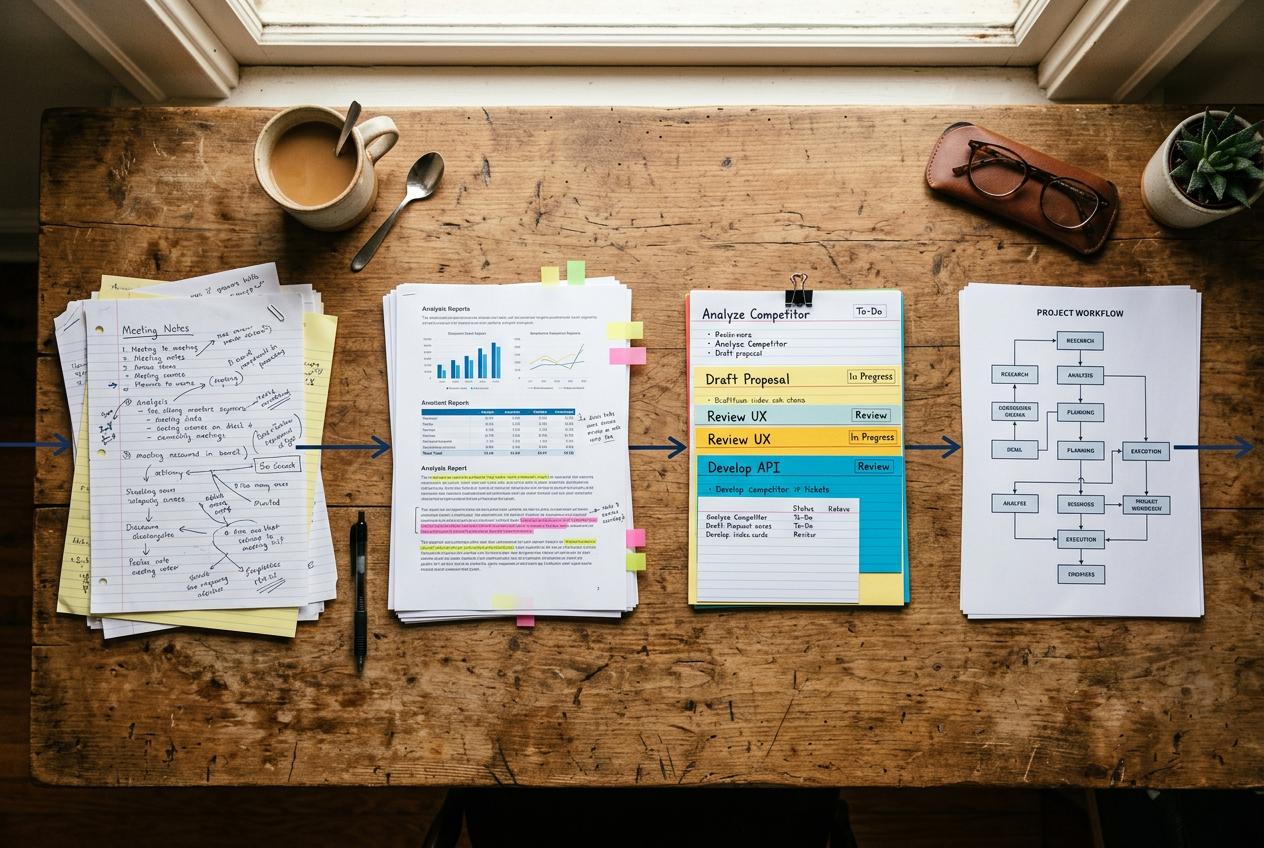
If you prefer to see it in action, you can watch the video here - you can hear how excited I was.
I felt like a kid at Christmas and I think you can clearly hear that in the video. I was geeking out! 😛
Here are the three GPTs I created.
I would paste in a transcript from a stakeholder interview. The GPT would break it down into current state, future state, pain points, wants, and priorities. It would also pull out every measurable outcome the stakeholder mentioned, including the ones you might miss on a first listen. It caught details I would have had to go back through the transcript three times to find.
This one took the analysis and generated user stories using INVEST criteria, with acceptance criteria, MoSCoW prioritization, and SMART goal alignment. Formatted and ready for a backlog. I could not believe what it was pulling out. User stories I never would have thought to write, edge cases I would have missed, all structured and ready to go.
The final GPT would take the requirements and produce every step I needed to build the process maps in Elements. Every activity, every resource, every drill-down level. It did not generate the visuals (GPTs could not do that in 2023), but it gave me the complete structure. All I had to do was set it up in Elements and the maps were done.
What would have taken a team hours or days to produce now took minutes.
And the output was better: more KPIs captured, more user stories generated, more detail in the process flows.
The AI did not just speed up the work.
It improved it.
Why This Matters Now
That was 2023.
The tools have completely changed since then.
Custom GPTs are still around, but they are not the best way to do this anymore.
Today, I would build those same three workflows as Claude Code Skills: reusable, file-based, and version-controlled.
Faster and more reliable.
But the thinking behind them has not changed at all.
The pattern is the same:
Identify repetitive knowledge work. Something you do the same way every time but that takes real effort.
Build an AI workflow around it. Not a generic prompt. A structured, purpose-built workflow with specific inputs and outputs.
Compress the time. Take a task that takes hours and make it take minutes. The quality stays the same or gets better because the AI is consistent and catches things humans miss.
What I Would Do Differently Today
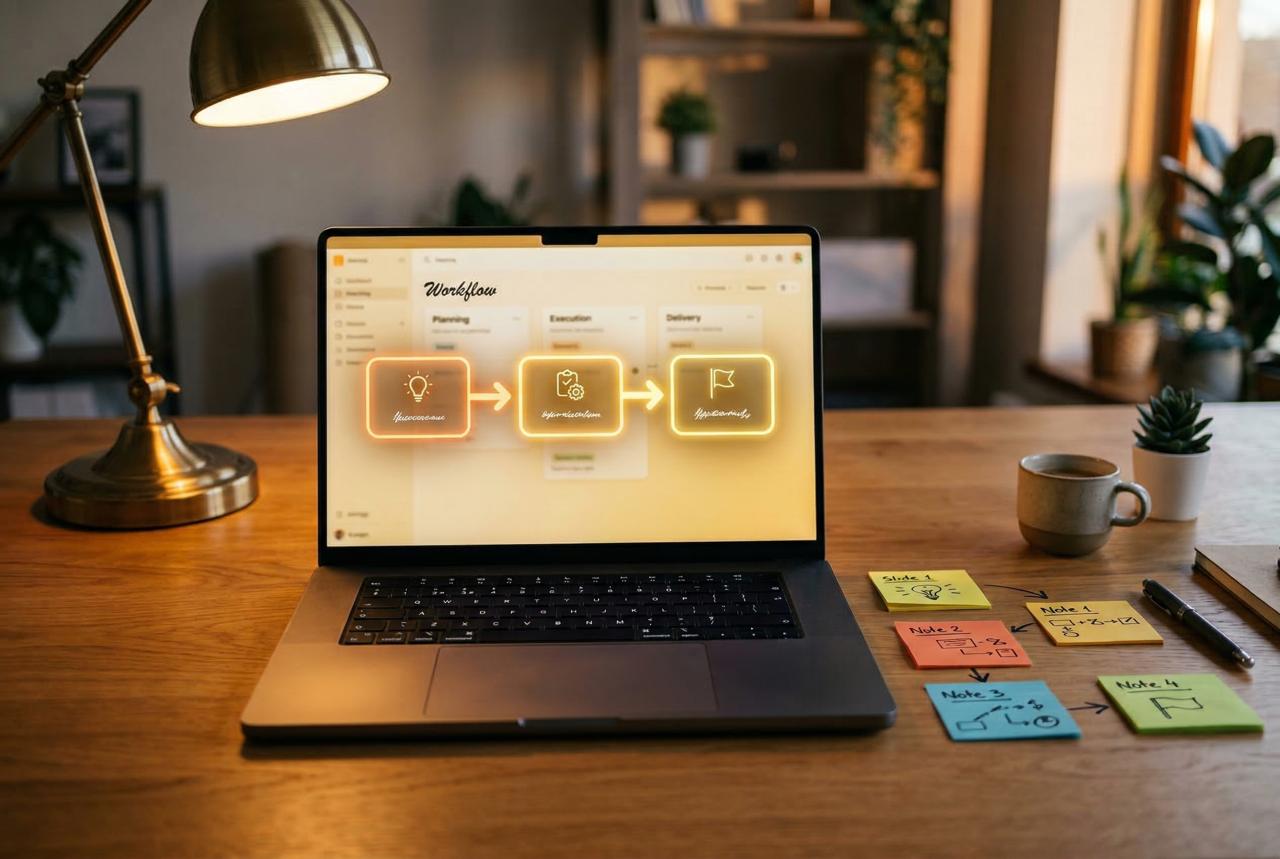
If I were doing this today, in 2026, I would create one workflow instead of three. In 2023, custom GPTs lived inside a chat window.
You could daisy-chain them together, but each one was a separate conversation.
What I would build today depends on who is using it.
One input, all three outputs, no switching between tools. I describe what I need and iterate in plain conversation until it is right. This would take a fraction of the time those GPTs took to build.
Paste the transcript, get the outputs. No coding required.
A textarea, a button, and the structured outputs below it. Anyone on the team can use it without knowing anything about AI tools.
The iteration cycle is dramatically faster. Building a custom GPT in 2023 meant: write instructions, test, get a weird result, rewrite, test again, hit a timeout, wait, try again.
It could take hours to get a GPT to produce the results you wanted.
Today with Skills, you just talk to Claude Code in your normal voice.
Don't like the output?
Tell it what to change and it's done.
Minutes, not hours.
The value was never in the GPTs themselves.
It was in knowing what to automate and how to structure the workflow.
That skill transfers to any tool, in any era.
This Is What AI Fluency Looks Like
I am not a developer.
I do not write code from scratch.
What I do is look at how work gets done, find where AI can compress it, and structure the workflow.
Then I teach the methodology so other people can build and maintain it themselves.
I have built over a hundred custom GPTs across sales, training, operations, and content workflows.
The tools have moved on, and so have I.
But the approach stays the same. Find the repetitive work, structure the workflow, and teach people to maintain it themselves.
That is where the compounding happens.